This beloved Christmas carol, written by Charles Wesley in 1739, celebrates the birth of Jesus with powerful lyrics and a timeless melody by Felix Mendelssohn. Its enduring appeal lies in its rich theological themes and joyful harmony, making it a staple in Christmas traditions worldwide. The song’s message of peace and reconciliation continues to inspire, and its lyrics are widely available in PDF format for easy access and sharing during the holiday season.
Overview of the Carol and Its Significance
“Hark! The Herald Angels Sing” is a timeless Christmas carol that joyfully celebrates the birth of Jesus Christ. Its powerful lyrics, penned by Charles Wesley in 1739, and the iconic melody by Felix Mendelssohn, create a harmonious blend of theology and music. The carol’s significance lies in its ability to convey deep spiritual truths about the incarnation and God’s love for humanity. Its widespread popularity endures across generations, making it a beloved tradition in Christmas worship and celebrations worldwide. The availability of its lyrics in PDF format ensures easy access for personal reflection, communal singing, and sharing during the holiday season, further cementing its place in Christian heritage and cultural traditions.
Historical Background of the Song
“Hark! The Herald Angels Sing” was written by Charles Wesley in 1739, originally titled “Hymn for Christmas-Day.” The lyrics were later paired with a melody composed by Felix Mendelssohn in 1840, creating the familiar carol we know today. Wesley, a prominent Methodist hymn writer, crafted the song to reflect the joy and theological depth of Christ’s birth. Over time, the carol gained widespread popularity, becoming a staple in Christmas celebrations. Its historical significance is marked by its enduring appeal, blending Wesley’s poetic theology with Mendelssohn’s majestic tune. The lyrics, now widely available in PDF format, continue to inspire worship and reflection during the holiday season, preserving its legacy as a timeless Christmas classic.

Historical Background of the Lyrics
Charles Wesley wrote the original lyrics in 1739, with the first version differing from the widely known adaptation. The carol’s words have evolved over time, blending theological depth with festive joy, while maintaining their core message of Christ’s birth and divine reconciliation.
Charles Wesley and the Original Composition
Charles Wesley, a prominent Methodist leader and hymn writer, penned the original lyrics of “Hark! The Herald Angels Sing” in 1739. His composition, titled “Hymn for Christmas-Day,” was part of a collection of hymns meant to enrich worship and spread Methodist teachings. The initial version differed significantly from the widely recognized adaptation today, reflecting Wesley’s poetic style and theological depth. His lyrics emphasized the incarnation of Christ and the reconciliation of God with humanity, themes central to Methodist doctrine. Over time, the hymn underwent changes, but Wesley’s foundational work remains a testament to his contributions to Christian hymnody. His collaboration with Felix Mendelssohn later elevated the carol to global acclaim.
The Evolution of the Lyrics Over Time
Since its creation by Charles Wesley in 1739, “Hark! The Herald Angels Sing” has undergone significant lyrical transformations. The original version, titled “Hymn for Christmas-Day,” differed from the adaptation we know today. Over the years, the lyrics were refined to better align with Felix Mendelssohn’s melody, enhancing the carol’s musicality and appeal. While the core theological themes of peace, reconciliation, and the incarnation of Christ remained intact, slight modifications were made to improve the hymn’s flow and harmony. These changes contributed to its widespread popularity, ensuring its enduring place in Christmas traditions and worship services worldwide.
Charles Wesley’s Role in Methodist Hymnody
Charles Wesley, a founding leader of Methodism, wrote over 6,000 hymns, including “Hark! The Herald Angels Sing,” which became a cornerstone of Methodist worship. His poetic genius and theological depth infused hymns with spiritual richness, making them accessible to the masses. Collaborating with his brother John, Wesley’s hymns helped shape Methodist identity and practices. His works emphasized personal faith, joy, and redemption, resonating deeply with believers. Through his hymnody, Wesley not only advanced Methodism but also enriched Christian worship globally, leaving a lasting legacy in sacred music and literature.
The Music and Melody
The melody, composed by Felix Mendelssohn, pairs grandeur with joy, complementing Charles Wesley’s lyrics. Harmonized by William H. Cummings, it enhances the carol’s emotional depth and timeless appeal.
Felix Mendelssohn and the Composition of the Tune
Felix Mendelssohn composed the iconic melody for Hark! The Herald Angels Sing in 1840, originally creating it for a chorus honoring Johannes Gutenberg and the printing press. Mendelssohn intended the tune for sacred use, and it was later paired with Charles Wesley’s lyrics by William H. Cummings in 1857. The melody’s grandeur and joy perfectly complement the hymn’s theological depth, making it a timeless Christmas classic. Mendelssohn’s composition, with its soaring harmonies, elevates the carol’s message of peace and reconciliation, ensuring its enduring popularity in worship and celebration worldwide.
William H. Cummings’ Harmonization
William H. Cummings harmonized the melody of Hark! The Herald Angels Sing in 1857, blending Mendelssohn’s tune with Wesley’s lyrics to create the version we know today. His arrangement emphasized the hymn’s grandeur and emotional depth, ensuring its suitability for congregational singing. Cummings’ work preserved the carol’s theological richness while enhancing its musical appeal, making it a staple in Christmas worship. His harmonization remains widely used, contributing to the carol’s enduring legacy and its continued presence in both traditional and modern celebrations.
The Collaboration Between Wesley and Mendelssohn

Though Charles Wesley and Felix Mendelssohn never collaborated directly, their works were united posthumously to create Hark! The Herald Angels Sing. Wesley’s poetic lyrics, written in 1739, were initially set to a different tune. Mendelssohn composed the iconic melody in 1840 for a secular celebration, and it was later paired with Wesley’s words by William H. Cummings in 1857. This indirect collaboration resulted in a carol that harmonizes theological depth with musical grandeur, making it a timeless Christmas classic. Their combined efforts have ensured the carol’s enduring popularity, blending Wesley’s spiritual poetry with Mendelssohn’s soaring melody to celebrate the birth of Jesus Christ.
The Lyrics and Their Meaning
The lyrics celebrate Jesus’ birth, emphasizing peace, goodwill, and Emmanuel’s presence. They reflect theological themes and poetic structure, enriching the carol’s spiritual and musical appeal.
Analysis of the Original Lyrics
The original lyrics of “Hark! The Herald Angels Sing,” written by Charles Wesley, are deeply theological and poetic. They emphasize the incarnation of Christ, describing Him as “Emmanuel” and celebrating His birth as a gift of peace and reconciliation. The hymn’s structure is precise, with each stanza building on themes of divine glory and human redemption. Wesley’s use of metaphor, such as “Glory to the newborn King,” and his focus on biblical imagery, like angels singing and Christ’s humble birth, create a vivid narrative. The lyrics also reflect Wesley’s Methodist beliefs, blending joy with spiritual reflection, making the carol both a celebration and a profound meditation on faith.

Biblical Inspiration and Themes
The lyrics of “Hark! The Herald Angels Sing” are deeply rooted in biblical scripture, particularly Luke 2:14, which inspired the theme of peace on earth and goodwill to men. The song reflects the incarnation of Christ, emphasizing His divine nature and humanity. The reference to Emmanuel, meaning “God with us,” underscores the theological significance of Jesus’ birth. The hymn also draws from Isaiah’s prophecy of the Prince of Peace and the Psalms’ celebration of divine glory. Wesley’s words vividly depict the angels’ adoration and the redemption brought by Christ, blending biblical narratives with poetic expression to create a powerful worship anthem that resonates with Christian doctrine and spiritual joy.
Structure and Poetic Devices in the Hymn
The hymn “Hark! The Herald Angels Sing” features a structured rhyme scheme and meter, enhancing its musicality and making it memorable. Charles Wesley’s original lyrics employ poetic devices like alliteration and metaphor to convey theological themes. The repetition of phrases, such as “Hark! the herald angels sing,” creates a sense of unity and emphasis. The hymn’s verses follow a consistent pattern, blending joyous celebration with profound doctrine. Poetic imagery, like “Glory to the newborn King” and “Peace on earth, and mercy mild,” enriches the narrative, while the use of exclamation marks adds fervor. These literary techniques contribute to the hymn’s enduring appeal and its ability to inspire worship across generations.
Downloading the Lyrics in PDF Format
Click the print link to open the PDF in a new tab. Use your browser’s menu to download or print the lyrics of “Hark! The Herald Angels Sing” easily.
Steps to Access the PDF Version
To access the PDF version of “Hark! The Herald Angels Sing,” click the print link provided on the webpage. This will open the lyrics in a new browser tab.
Once the PDF is displayed, use your browser’s menu to download or print the file. Ensure your device has a PDF viewer installed for proper viewing.
This method allows easy sharing and printing of the carol’s lyrics for personal use or group performances during the holiday season.
Recommended Sources for the PDF
Reliable sources for the PDF version of “Hark! The Herald Angels Sing” include websites like Sovereign Grace Praise and other trusted hymn archives.
These platforms offer free downloads of the lyrics, ensuring easy access for personal or communal use.
Additionally, many Christmas carol websites provide printable PDFs, complete with lyrics and musical notation.
When downloading, verify the source’s credibility to ensure the version aligns with the original composition by Charles Wesley and Felix Mendelssohn.
This guarantees an authentic and meaningful experience for singers and listeners alike during the holiday season.
Printing and Sharing the Lyrics
Printing the PDF version of “Hark! The Herald Angels Sing” allows for easy sharing during Christmas gatherings or worship services.
The clear formatting ensures readability, making it ideal for caroling or communal singing.
Sharing the lyrics fosters a sense of unity and joy, spreading the carol’s timeless message.
Many websites offer printable PDFs, enabling quick distribution to groups or individuals.
This accessibility makes it simple to enjoy the hymn in various settings, from homes to churches.
By sharing the lyrics, the carol’s enduring legacy is preserved, connecting people across generations.
The PDF format ensures the lyrics remain intact and beautifully presented, enhancing the festive spirit.

Cultural Impact of the Carol
“Hark! The Herald Angels Sing” is a timeless Christmas carol, cherished for its joyful melody and profound lyrics, uniting people across generations and cultures worldwide.
Popularity in Christmas Traditions
“Hark! The Herald Angels Sing” remains a cornerstone of Christmas traditions worldwide, resonating with its joyful melody and profound lyrics. Its universal themes of peace, joy, and divine love captivate audiences, making it a staple in holiday celebrations. From grand cathedral concerts to intimate family gatherings, the carol is sung with fervor, embodying the spirit of Christmas. Its availability in PDF format has further enhanced its accessibility, allowing people to share and sing it effortlessly. The carol’s enduring popularity is a testament to its ability to transcend time and culture, uniting people in celebration of the season’s core values.
Famous Performances and Recordings
The carol has been performed by renowned artists and choirs worldwide, with Pentatonix’s a cappella version gaining millions of views. Its melody, composed by Felix Mendelssohn, has been beautifully arranged by William H. Cummings, enhancing its emotional impact. The song’s timeless appeal is evident in its inclusion in high-profile events, such as Manchester Cathedral’s sold-out concerts. Additionally, its availability in PDF format has made it accessible for choirs and individuals to perform during the holiday season. The carol’s versatility allows it to shine in both traditional and modern interpretations, ensuring its place in the hearts of music lovers across generations.
The Carol’s Role in Modern Christmas Celebrations
“Hark! The Herald Angels Sing” remains a cornerstone of modern Christmas celebrations, resonating with its message of peace and joy. Its widespread availability in PDF format has made it accessible for choirs, families, and individuals to sing during holiday gatherings. The carol’s timeless melody and profound lyrics continue to inspire contemporary performances, from church services to virtual events. Its inclusion in high-profile concerts, such as those at Manchester Cathedral, highlights its enduring appeal. Additionally, its theological themes of reconciliation and Emmanuel (“God with us”) provide a spiritual foundation for the season. The carol’s adaptability ensures its relevance, making it a unifying force in diverse Christmas traditions worldwide.
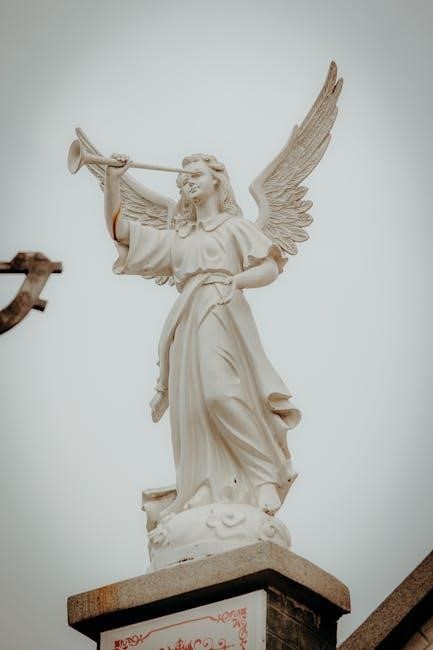
Modern Adaptations and Performances
Pentatonix’s a cappella rendition and digital PDF availability highlight the carol’s modern appeal, blending tradition with contemporary artistry and accessibility.
Contemporary Versions of the Song
Contemporary artists have reimagined “Hark! The Herald Angels Sing” with fresh styles, blending traditional lyrics with modern music genres. Groups like Pentatonix have popularized a cappella versions, introducing the carol to new audiences. Digital platforms and PDF downloads have made the song easily accessible, allowing performers to adapt it to various musical tastes. From orchestral arrangements to electronic remixes, the carol’s timeless message remains intact while appealing to diverse cultural and generational preferences. These modern interpretations ensure the song’s relevance in today’s musical landscape, preserving its spiritual essence while embracing innovation.
Pentatonix and Other A Cappella Performances
Pentatonix has brought “Hark! The Herald Angels Sing” to life with their stunning a cappella rendition, showcasing intricate harmonies and vocal percussion. Their performance, featured on ABC’s “It’s Your 50th Christmas, Charlie Brown” special, captivated audiences and highlighted the song’s adaptability. Other a cappella groups have also embraced the carol, creating unique arrangements that emphasize the beauty of layered vocals. These performances not only honor the original composition but also introduce the carol to younger generations, ensuring its continued relevance. The availability of PDF lyrics has further facilitated these creative interpretations, allowing artists to explore new ways to present this classic hymn.
Cultural Significance in the Digital Age
“Hark! The Herald Angels Sing” remains a cultural cornerstone, thriving in the digital era. Its timeless message and melody resonate across generations, with PDF lyrics widely shared online. The carol’s adaptability shines through modern performances, such as Pentatonix’s a cappella rendition, which has garnered millions of views on streaming platforms. Social media platforms and virtual choirs have further amplified its reach, allowing global audiences to engage with the hymn. This digital accessibility ensures the carol’s enduring relevance, introducing it to new listeners while preserving its traditional charm. Its presence in digital spaces highlights its ability to transcend time and technology, maintaining its cultural significance in an ever-evolving world.

Theological Themes in the Song
The carol explores Christ’s incarnation, emphasizing peace on earth and God’s presence as Emmanuel, reflecting deep theological themes of redemption and divine love.
Christology and the Incarnation
The carol profoundly explores Christ’s divine nature and humanity, celebrating His birth as the incarnation of God. Lyrics like “Christ by highest heaven adored” and “Jesus, our Emmanuel” emphasize His dual role as eternal Lord and human savior. The song highlights the theological significance of the Incarnation, where God becomes flesh to redeem humanity. This theme is central to Christian doctrine, showcasing God’s love and plan for salvation. The carol’s portrayal of Christ as both divine and human underscores the miracle of His birth and its redemptive purpose, resonating deeply with believers and reflecting the heart of the Gospel message.
Peace on Earth and Goodwill to Men
The carol’s lyrics, inspired by Luke 2:14, proclaim the angels’ message of peace and goodwill to humanity. This theme, central to the song, reflects the divine promise of harmony and reconciliation. The phrase “peace on earth, and mercy mild, God and sinners reconciled” captures the essence of Christ’s birth as a gift of peace. The carol’s emphasis on universal goodwill resonates globally, transcending cultural boundaries. Its message of hope and unity continues to inspire, making it a cherished part of Christmas traditions. The PDF version of the lyrics ensures this timeless message is easily shared, spreading joy and peace during the holiday season.

Emmanuel: God with Us
The carol’s reference to “Jesus, our Emmanuel” underscores the profound theological concept of God’s presence among humanity; Emmanuel, meaning “God with us,” highlights the incarnation of Christ as a divine act of love and redemption. This theme, central to Christian theology, is beautifully captured in Wesley’s lyrics, emphasizing Christ’s dwelling on earth. The carol’s message of Emmanuel resonates deeply, offering comfort and hope. The PDF version of the lyrics ensures this powerful message is widely accessible, allowing believers to reflect on God’s presence in their lives during the Christmas season and beyond. This theme remains a cornerstone of the carol’s enduring appeal.

Legacy of “Hark! The Herald Angels Sing”
The carol’s enduring popularity and timeless message have solidified its place in Christmas traditions, inspiring generations and influencing Christian worship worldwide with its joyful and theological depth.
Enduring Popularity Across Generations
“Hark! The Herald Angels Sing” remains a timeless Christmas carol, cherished for its theological depth and joyful melody. Composed by Charles Wesley in 1739, with music by Felix Mendelssohn, it has transcended centuries, resonating with diverse audiences. Its themes of peace, reconciliation, and the incarnation of Christ continue to inspire spiritual reflection. The carol’s adaptability to various musical styles, from traditional hymns to modern a cappella performances, ensures its relevance across generations. Its availability in PDF format has further enhanced its accessibility, allowing it to be shared and sung by people worldwide. This enduring popularity underscores its universal appeal and its role as a unifying force during the Christmas season.

Influence on Christian Worship
“Hark! The Herald Angels Sing” has profoundly shaped Christian worship, offering a rich theological framework that emphasizes the incarnation and reconciliation. Its lyrics, penned by Charles Wesley, reflect deep doctrinal insights, making it a cornerstone in hymnody. The carol’s inclusion in hymnals and its regular use in church services highlight its enduring relevance. It bridges liturgical and evangelical traditions, fostering unity through its universal message of peace and divine love. The hymn’s ability to evoke spiritual reflection and joy continues to inspire congregations, solidifying its place as a foundational element in Christian worship across denominations and generations.
“Hark! The Herald Angels Sing” remains a cherished Christmas carol, transcending time with its powerful message and melodious harmony. Its enduring appeal lies in its theological depth, celebrating the incarnation and divine love. The carol’s ability to inspire joy and reflection has made it a staple in Christmas traditions worldwide. Available in PDF format, its lyrics continue to be shared and sung, ensuring its legacy endures. This hymn is more than a song; it is a celebration of faith, hope, and peace, resonating with hearts across generations. Its timeless beauty and universal message ensure it will remain a beloved part of Christmas celebrations for years to come.